
01
Aging and later life
How social conditions, cumulative stress, relationships, and institutions shape well-being across later life.
Aging & Caregiving
Aging unfolds within families, communities, healthcare systems, economic conditions, and histories that shape who receives support, who carries responsibility, and how people prepare for change.
A distinct body of scholarship
Dr. Timothy D. Goler’s aging and life-course scholarship examines stress and coping, psychological well-being, health inequity, disability, caregiving, and the social conditions that shape later life for Black older adults, families, and communities.
This is a distinct pathway within The Goler School. It shares a commitment to understanding conditions and expanding agency, while remaining separate from the frameworks and five pillars of the Goler Method.
Areas of inquiry
01
How social conditions, cumulative stress, relationships, and institutions shape well-being across later life.
02
How families can prepare for changing roles, shared responsibility, and the questions that emerge as care needs change.
03
How aging into disability changes relationships, environments, and the supports older adults and families may need.
Research record
Doctoral research
Dr. Goler’s Case Western Reserve University dissertation examined racial differences in stressful life events, coping, and psychological well-being among urban older adults.
Read the dissertation recordGerontology and disability
His coauthored work on aging into disability considers changing social relationships, caregivers, environmental barriers, and more inclusive service communities.
Read the article abstractPublic purpose
The work asks how families, communities, and institutions can move from responding in crisis to preparing with greater knowledge, coordination, and care.
Caregiving education
Culturally grounded caregiver education can help families name changing roles, ask better questions, and prepare for decisions before urgency makes coordination harder.
Partnership conversations can explore educational approaches to family communication, care-system navigation, dementia-related questions, caregiver well-being, and shared family planning. The focus is preparation and learning—not clinical, medical, legal, or financial advice.
A partnership conversation can consider virtual, in-person, or hybrid education formats according to the setting and audience.
Team collaboration
Care With Clarity: Preparing Black Families to Care Together is being developed as a family-centered approach to caregiving education and planning for Black families. The collaboration brings social and life-course scholarship into conversation with clinical and public-health experience.
The aim is to help families prepare together for changing roles, questions of care, and the decisions that may emerge over time—not to leave one person carrying the work alone.
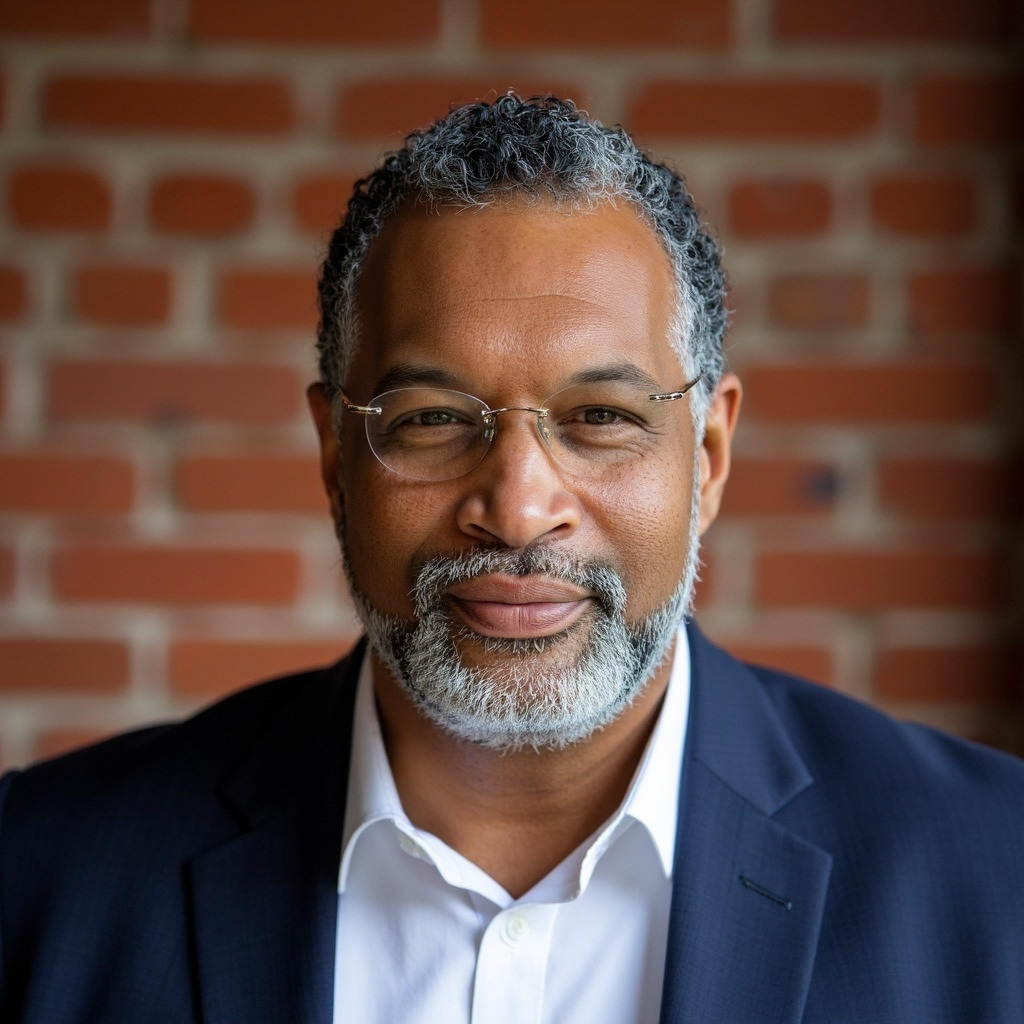
Research and family preparation
Aging and life-course scholarship, family-centered education, and social conditions of care
View LinkedIn profile
Clinical collaboration
Clinical collaboration, health-navigation perspective, and elder-care experience
Associate Clinical Professor in Medicine, Case Western Reserve University School of Medicine; Associate Professor of Integrative Medical Sciences, Northeast Ohio Medical University.
View LinkedIn profileExperience brought to the work
His career includes medical directorships in nursing-home, rehabilitation, and post-acute-care settings, together with public-health leadership. Together, the work is being developed to keep family communication, health navigation, community context, and the realities of later-life care in view.
Context is part of care
Later-life care unfolds within relationships, health systems, neighborhoods, work histories, economic conditions, and the support a family can access and organize over time.
A context-first approach keeps both the person and the conditions around the person in view. It helps families prepare for changing roles, share responsibility, and ask better questions before urgency makes coordination harder.
01
Housing, transportation, income, health-care access, neighborhood conditions, discrimination, and social connection can shape the resources and pressures a family must navigate.
02
Cumulative pressures and unequal conditions can become part of the context in which older adults and caregivers make decisions, seek support, and manage changing responsibilities.
03
Care With Clarity is being developed around a shared care lens: families and communities can prepare together so that one person is not expected to carry every question, task, and decision alone.
For public background on how social and environmental conditions affect health and well-being across the life course, see Healthy People 2030’s Social Determinants of Health framework and the National Institute on Aging’s cognitive health information. These resources are educational; Care With Clarity does not provide clinical or medical advice.
In development. Care With Clarity is in development. This page describes a collaboration and an educational direction; it does not announce a clinical program, individual medical advice, or an active public service.